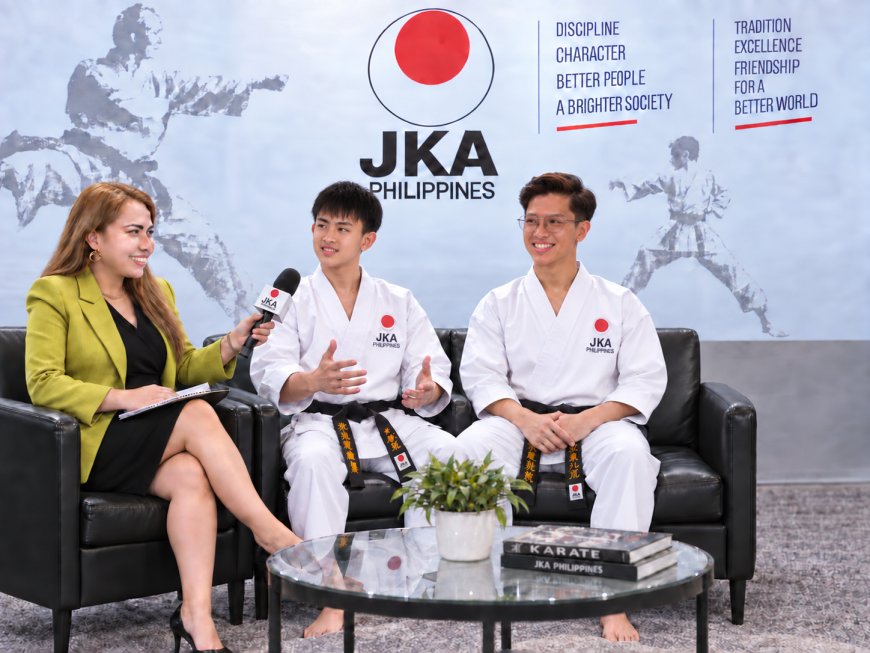
OFFICIAL JKA PHILIPPINES BRAND AMBASSADOR INTERVIEW
The Face of JKA Philippines: Chris De Guzman
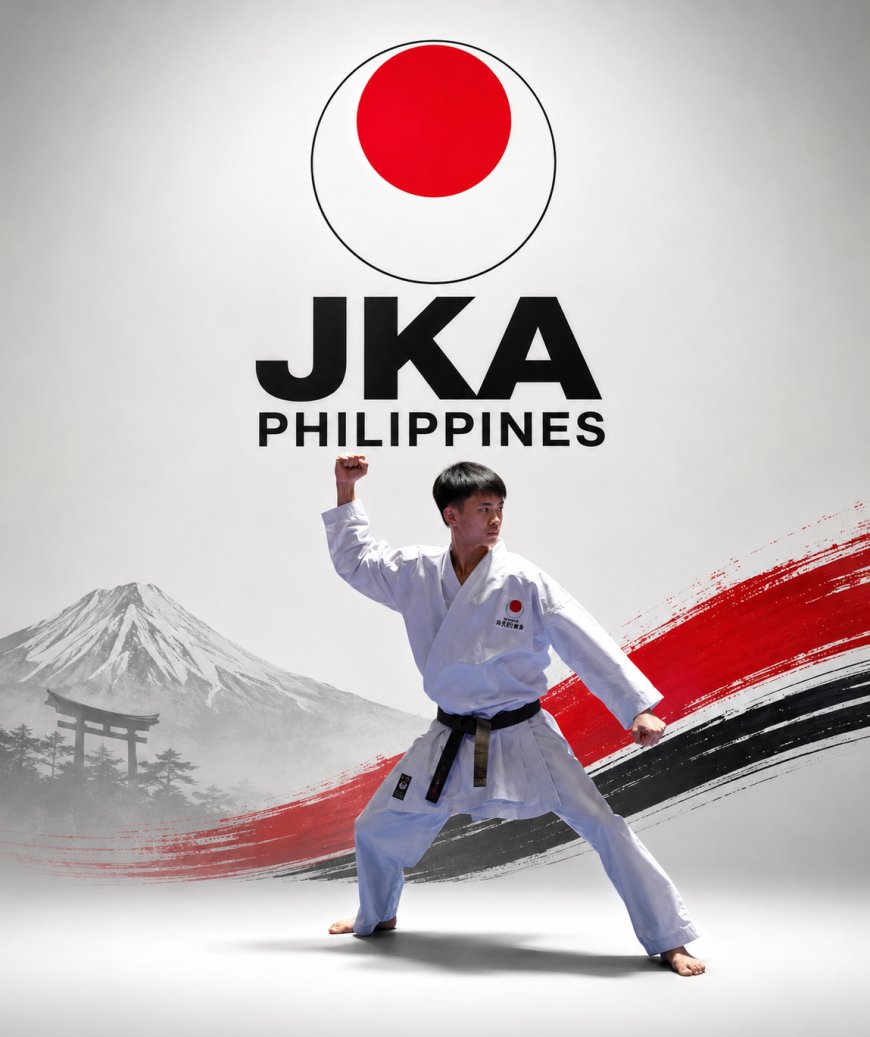
PART I — MEET CHRIS
1. What is your complete name?
My complete name is Chris Zachary Torres De Guzman.
2. What name would you like JKA Philippines to use publicly?
I would like to be known publicly as Chris De Guzman.
3. Where were you born, and where are you currently based?
I was born in Lipa City, Batangas, where I am also currently based.
4. What is your field of study?
I am currently a Grade 8 student. I study subjects such as mathematics, science, Filipino, and social studies while learning how to balance school with my karate training.
5. How would you describe yourself in three words?
Disciplined, determined, and respectful.
6. What are your interests and passions outside karate?
Outside karate, I enjoy spending time with my family and friends. I am also curious about new experiences because I believe that trying unfamiliar things helps me discover what I am capable of doing.
7. What is one interesting or surprising fact about you?
I enjoy challenging myself, especially when something initially seems difficult. Whether in training, competition, or everyday life, I want to find out how far I can improve when I give my full effort.
8. What personal quality are you most proud of?
I am most proud of my discipline. It helps me remain focused, responsible, and committed to my goals, especially on the days when continuing is difficult.
9. Who are the people who have played the most important roles in your life?
My parents have played the most important roles in my life. They have supported, guided, and encouraged me throughout my journey, and they continue to inspire me to become a better person.
10. What dream or ambition are you currently pursuing?
My dream is to succeed in national and international karate tournaments. I also want to build a successful future and accomplish things that may once have seemed impossible to me.
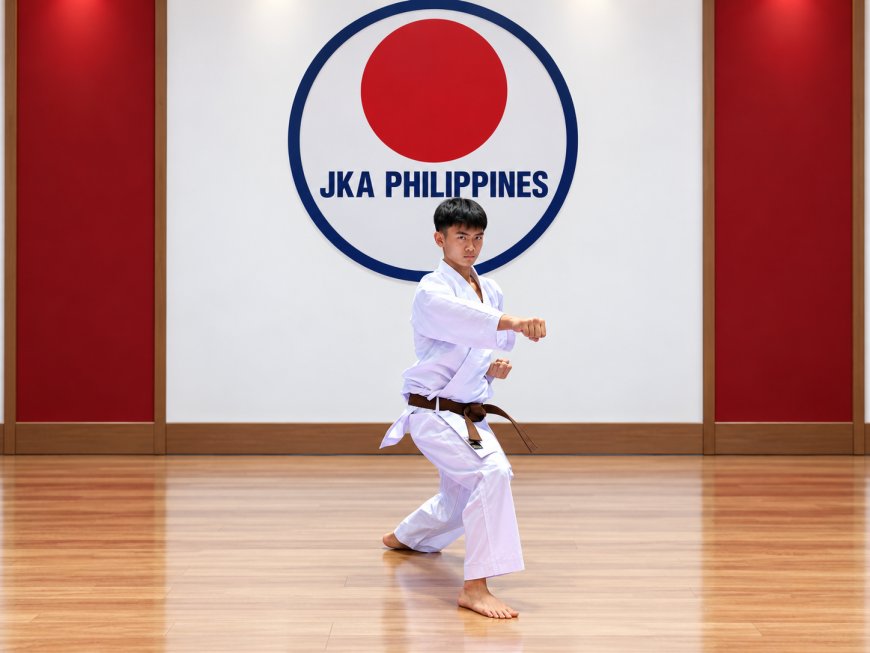
PART II — MY KARATE JOURNEY
11. When and why did you begin practicing karate?
I began practicing karate when I was nine years old. I wanted to become physically stronger, develop discipline, and eventually compete in tournaments through honest effort, hard work, and integrity.
12. What first attracted you to JKA and Shotokan karate?
I was attracted to JKA because it teaches discipline, resilience, respect, and continuous self-improvement. I discovered that karate is not simply about learning how to fight—it is also about learning how to become a better person.
13. What is your current rank, dojo, and JKA Philippines affiliation?
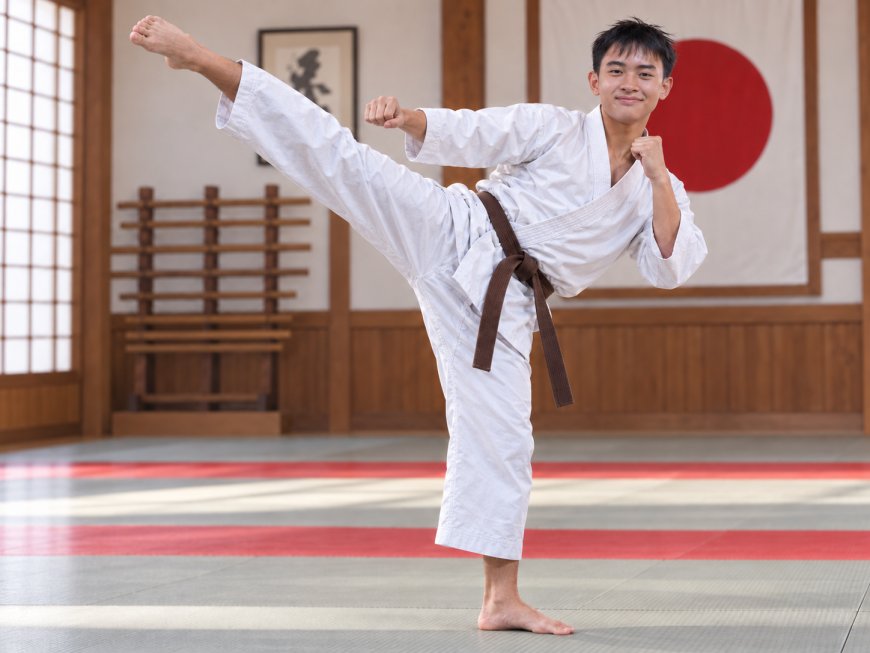
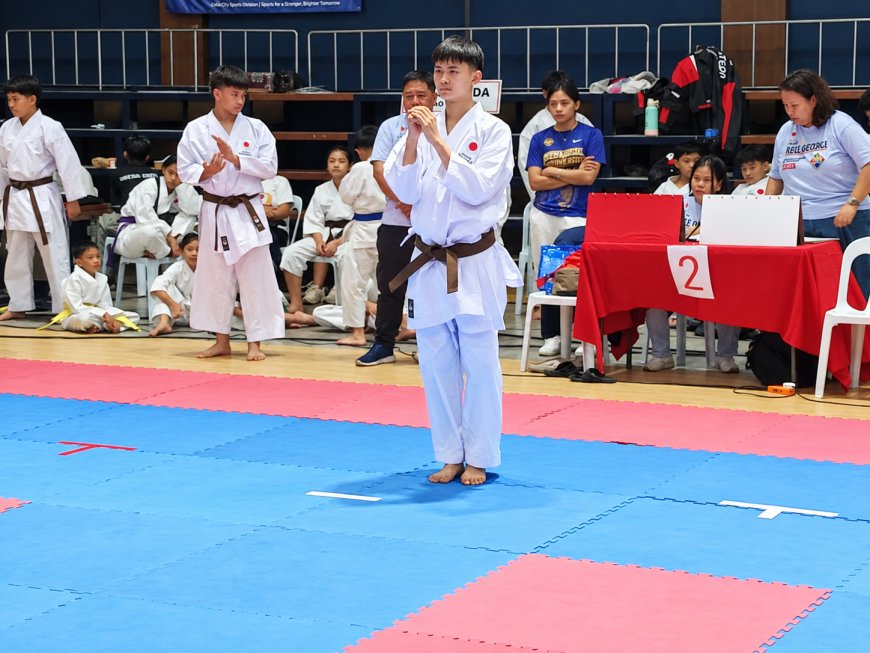
I currently hold the rank of 1st kyu brown belt. I train at JKA Lipa, which is affiliated with JKA Philippines.
14. Who introduced you to karate?
My mother introduced me to karate because she also practiced it when she was younger. She encouraged me to try it, and what began as a new experience eventually became an important commitment in my life.
15. Which instructor has influenced you the most?
Sensei Kim Masayuki Torres has influenced me greatly. He taught me the importance of discipline, patience, respect, and refusing to give up, especially when training becomes demanding.
16. What is your most unforgettable experience inside the dojo?
My most unforgettable experiences are the training sessions when I felt completely exhausted but still pushed myself to finish. Those moments taught me that improvement often begins exactly when you feel like stopping.
17. What is your proudest karate achievement?
My proudest achievement is becoming a gold medalist in several tournaments. Every medal represents the hours of training, discipline, sacrifice, and determination that people do not always see.
18. What has been the most challenging part of your karate journey?
The greatest challenge has been remaining consistent, especially when progress feels slow. Karate has taught me to be patient, continue attending training, and trust that steady effort will eventually produce results.
19. Was there ever a time when you wanted to stop training? What inspired you to continue?
There were times when I felt discouraged because balancing karate with schoolwork and homework became difficult. I continued by remembering why I started, thinking about my goals, and reminding myself that giving up would take me farther away from them.
20. How has karate changed you physically, mentally, and emotionally?
Physically, karate has made me stronger and more active. Mentally, it has taught me focus and patience. Emotionally, it has helped me become more confident, resilient, respectful, and capable of staying calm during difficult situations.
21. Which do you enjoy most—kihon, kata, or kumite—and why?
I enjoy kumite the most because it allows me to face opponents who may be more experienced or skilled than I am. Competing against stronger karate practitioners challenges me to study their techniques, recognize my weaknesses, and improve.
22. What is your favorite karate technique, and what does it reveal about your personality?
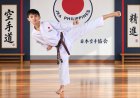
My favorite technique is the spinning hook kick. It requires speed, precision, timing, confidence, and control. I think it reflects my determination and willingness to attempt something difficult until I can perform it properly.
23. What lesson from karate do you apply most often in everyday life?
The lesson I apply most often is discipline. Karate has taught me that improvement does not happen instantly; meaningful progress requires patience, consistent effort, and the willingness to keep practicing.
24. How do you prepare before an important competition, demonstration, or grading?
I prepare by training consistently, reviewing my techniques, and making sure that I am physically and mentally ready. Before competing, I remind myself to remain calm, trust my preparation, and give my best performance.
25. What karate goal are you still determined to achieve?
I am determined to compete in the JKA World Cup in Japan. I want to become a highly skilled and disciplined karate practitioner who competes with courage, integrity, and a genuine desire to win.
PART III — THE STORY BEHIND THE KARATEKA
26. What personal challenge have you overcome through discipline and perseverance?
One personal challenge was surpassing my previous record during physical training. It showed me that limits are not always permanent. With patience, discipline, and one determined step at a time, I can become stronger than I was yesterday.
27. How did karate help you during a difficult period in your life?
Karate gave me a positive place where I could clear my mind and focus my energy. Training reminded me that difficult moments do not last forever and that patience, discipline, and perseverance can help me overcome them.
28. What sacrifice have you made in pursuing your goals?
I have sacrificed some of my free time so I can manage my training, schoolwork, and personal development. It is not always easy, but I know that every responsible choice brings me closer to my goals.
29. Who do you most want to make proud, and why?
I most want to make my parents proud because they have supported and encouraged me throughout my journey. Their sacrifices and belief in me motivate me to train harder and become a better karate practitioner and person.
30. What experience has had the greatest influence on the person you are today?
Karate has had the greatest influence on me. It has taught me discipline, respect, patience, and the importance of continuing forward even when the journey becomes difficult.
31. What does true strength mean to you?
True strength is not measured only by physical power. It is having the discipline to continue, the courage to confront challenges, and the humility to keep learning—even when somebody else is ahead of you.
32. What does courage look like outside the dojo?
Outside the dojo, courage means standing up for what is right, facing problems instead of avoiding them, and finding the confidence to speak even when you are afraid that people may not listen.
33. How do you respond to failure, rejection, or disappointment?
I try to treat failure as a lesson instead of allowing it to stop me. I examine what went wrong, accept my mistakes, and use the experience as motivation to improve my attitude, preparation, and technique.
34. If your younger self could see you today, what would make him most proud?
My younger self would be proud that I continued challenging myself instead of giving up. I think he would be amazed by the achievements I earned through training, sacrifice, and hard work.
35. What would you say to someone who thinks they are too young, old, shy, weak, or inexperienced to begin karate?
Everyone begins somewhere. You do not need to be strong, confident, or experienced on your first day. You only need the courage to begin and the willingness to learn, practice, and improve.
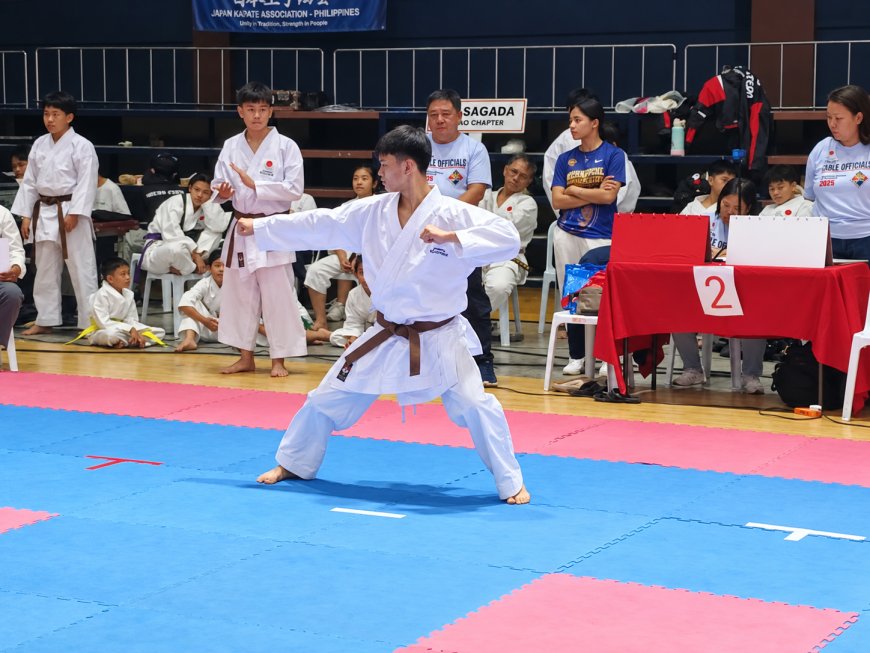
PART IV — REPRESENTING JKA PHILIPPINES
36. What was your first reaction when you learned that you had been selected as a JKA Philippines Brand Ambassador?
At first, I was surprised and even a little confused because I did not expect to be selected. When I understood what the role meant, I felt incredibly happy, grateful, and honored to receive the opportunity to represent JKA Philippines.
37. What does this interview mean to you personally?
This interview gives me an opportunity to share my journey, the lessons karate has taught me, and what JKA means in my life. It also allows people to meet the person behind the uniform and understand why I remain committed to karate.
38. What does it mean to carry the name and emblem of JKA Philippines?
Carrying the JKA Philippines emblem is both an honor and a responsibility. It means that my conduct should reflect the organization’s values of discipline, respect, humility, integrity, and excellence.
39. What values do you want people to see in you as a Brand Ambassador?
I want people to see discipline, determination, respect, humility, and perseverance in me. I hope my actions demonstrate that karate is not only about becoming a better athlete—it is about becoming a better human being.
40. How do you intend to represent JKA Philippines inside and outside the dojo?
Inside the dojo, I will train seriously, respect my instructors and fellow karate practitioners, and observe proper etiquette. Outside the dojo, I will act responsibly and respectfully and try to become a positive example for other young people.
41. What responsibility comes with being one of the public faces of JKA Philippines?
Being a public face of JKA Philippines means understanding that people may judge the organization through my behavior. I must therefore conduct myself properly, remain humble, and set a positive example wherever I go.
42. What do you hope to contribute to JKA Philippines through this role?
I hope to encourage more people to discover the physical and personal benefits of karate. I also want to support JKA Philippines by serving as a dedicated, responsible, and positive representative.
43. Which group would you especially like to inspire?
I would especially like to inspire young people. I want them to see that karate can help them develop confidence, discipline, respect, resilience, and the courage to pursue meaningful goals.
44. How can you introduce JKA karate to people who have never practiced martial arts?
I can share my personal experiences and show them that karate is not only about fighting or winning medals. It is a journey of learning, character development, friendship, and self-discovery. I would encourage them to attend a class and experience it for themselves.
45. What is the difference between karate as a fighting activity and karate as a way of life?
Karate as a fighting activity concentrates on technique, reaction, speed, and physical ability. Karate as a way of life goes much deeper: it teaches discipline, patience, respect, humility, and self-control that can guide your decisions every day.
46. How can JKA training help young people develop confidence, discipline, and respect?
JKA training gives young people goals and encourages them to practice consistently. As they overcome challenges, they become more confident. They also learn patience, self-discipline, and respect for their instructors, teammates, opponents, and themselves.
47. How can karate help prevent bullying and encourage responsible behavior?
Proper karate training teaches that martial-arts skills must never be used to intimidate or hurt others. It develops self-control, patience, and respect, helping students become protectors of others instead of bullies.
48. How can JKA Philippines contribute to stronger families and communities?
JKA Philippines can bring people together through training, competition, and shared experiences. When families support one another and dojos promote teamwork, respect, responsibility, and discipline, stronger communities can grow around them.
49. What does it mean to represent the Philippines through Japanese karate?
It means showing that Filipino karate practitioners can honor the traditions and discipline of Japanese karate while bringing our own resilience, passion, and dedication to the sport. I would be proud to represent the Philippines with humility and respect.
50. Which Filipino qualities complement the traditions of JKA karate?
Filipino resilience, determination, respect for others, and strong sense of family complement the values of JKA karate. These qualities help us remain committed while honoring the discipline, traditions, and rules of the art.
PART V — CHARACTER, DISCIPLINE, AND THE DOJO KUN
51. What does the JKA Dojo Kun mean to you personally?
The Dojo Kun reminds me that karate is not only about improving my techniques. It is also about developing good character, respecting others, being sincere, and learning to control my actions.
52. Which principle of the Dojo Kun speaks to you most strongly?
“Seek perfection of character” speaks to me most strongly. It reminds me that the greatest goal is not simply to become a better fighter but to become a better person through discipline, respect, and humility.
53. How do you practice respect and courtesy in daily life?
I practice respect by listening to my parents and teachers and treating my family, friends, classmates, and other people with courtesy. I also try to be helpful and considerate whenever I can.
54. Which is more important: winning a medal or developing good character?
Developing good character is more important. A medal is a meaningful achievement, but character stays with you throughout your life and influences how you treat people, respond to difficulties, and use your success.
55. What has defeat taught you?
Defeat has taught me that losing is not the end of the journey. It reveals what I need to improve, motivates me to train harder, and gives me an opportunity to return stronger and better prepared.
56. How should a true karateka behave after winning?
A true karateka should remain calm, respectful, and humble. Winning should never become a reason to look down on someone because every opponent deserves respect for having the courage to compete.
57. What personal principle will you never compromise?
I will never compromise respect. No matter how successful I may become, I must continue respecting my parents, instructors, friends, teammates, opponents, and everyone around me.
58. How do you remain humble while pursuing excellence?
I remain humble by remembering that there will always be more to learn. I appreciate my instructors’ guidance, my family’s support, and the effort of my training partners. Every achievement should encourage me to learn more—not make me believe I already know everything.
59. How do you demonstrate discipline when nobody is watching?
I demonstrate discipline by doing what I know must be done even when nobody is there to praise or remind me. Real discipline means remaining committed to my training, responsibilities, and goals when taking the easier path is tempting.
60. What should the public understand about the character of a JKA karate practitioner?
A genuine JKA karate practitioner should not be judged only by the ability to fight. A true karateka demonstrates discipline, humility, respect, self-control, responsibility, and good character inside and outside the dojo.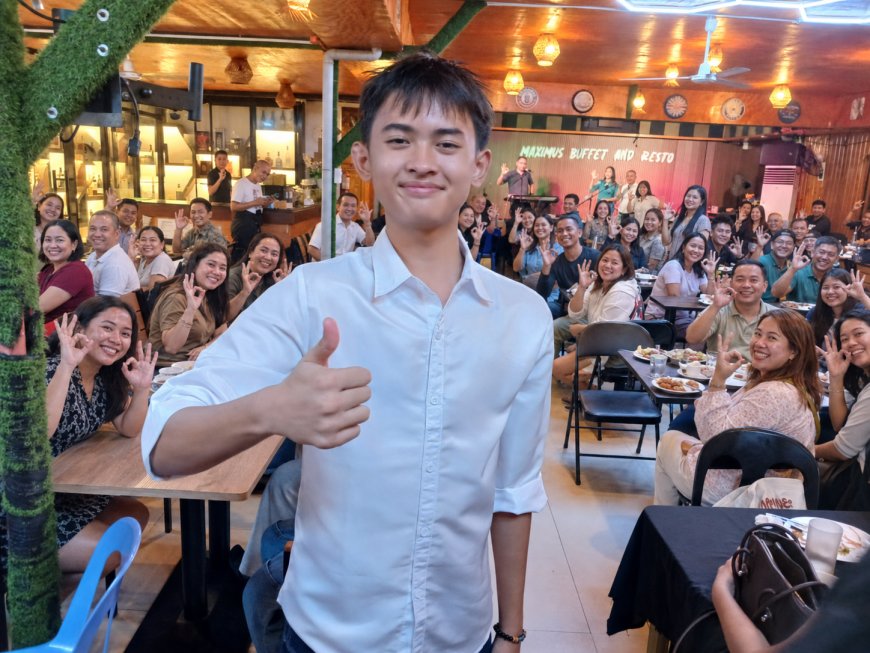
PART VI — ADVERTISING AND CAMPAIGN QUOTES
61. “Karate is not simply about fighting. It is about…”
“Karate is not simply about fighting. It is about discipline, respect, self-control, and becoming a better version of yourself.”
62. “JKA Philippines taught me…”
“JKA Philippines taught me that real progress is built through discipline, patience, and consistent hard work.”
63. “When I wear the JKA emblem, I represent…”
“When I wear the JKA emblem, I represent JKA Philippines and the values of discipline, respect, humility, and dedication.”
64. “True strength begins when…”
“True strength begins when you learn to control yourself, confront your fears, and continue moving forward.”
65. “Discipline becomes powerful when…”
“Discipline becomes powerful when you continue doing your best—even when nobody is watching and you do not feel like continuing.”
66. “Inside the dojo, I discovered…”
“Inside the dojo, I discovered that every challenge is an opportunity and that lasting progress requires patience and consistent effort.”
67. “Outside the dojo, karate helps me…”
“Outside the dojo, karate helps me remain focused, confident, respectful, and prepared to face challenges with a stronger mindset.”
68. “As a JKA Philippines Brand Ambassador, I promise to…”
“As a JKA Philippines Brand Ambassador, I promise to represent the organization with discipline, respect, humility, and dedication.”
69. “I want young Filipinos to know that…”
“I want young Filipinos to know that they do not need to be perfect to begin. They only need the courage to take the first step and the determination to continue improving.”
70. “My message to future karate practitioners is…”
“My message to future karate practitioners is: never be afraid to begin, remain willing to learn, and use what you discover to help others.”
71. What is your personal motto?
“My personal motto is: ‘Keep improving and never give up.’ It reminds me to continue working toward my goals, especially when the journey becomes difficult.”
72. What three words best describe JKA Philippines?
Discipline, respect, and excellence.
73. If you had only one sentence to invite someone to visit a JKA dojo, what would you say?
“Come and experience karate for yourself—you may discover not only a martial art, but also a better version of yourself. Our dojo is a place where you can learn, grow, and challenge yourself.”
74. What message would you give to parents who are considering karate for their children?
“Karate can teach children discipline, respect, patience, and responsibility while giving them a positive environment in which to grow. It can also teach them how to face challenges, set new goals, and respect others.”
75. What headline would best describe your karate journey?
“The Road to Victory: My Karate Journey”
My journey is about working hard, overcoming challenges, and continuing to improve on my path to success.
PART VII — ADVOCACY AND PUBLIC ENGAGEMENT
76. What cause, community, or advocacy is closest to your heart?
The advocacy closest to my heart is encouraging people to remain disciplined, set goals, and focus on positive outcomes. I want to inspire young people to believe in themselves through karate and continue improving.
77. How would you like to connect that advocacy with your role as a JKA Philippines Brand Ambassador?
I would connect my advocacy with karate by showing how the art teaches discipline, respect, confidence, and perseverance. I want to share my journey and encourage others to try karate and discover its many benefits.
78. What kind of community activity would you like to lead or support?
I would like to support youth karate demonstrations, beginner training sessions, and activities that encourage people to stay active. I would also like to help introduce karate to people who have never tried it before.
79. What type of JKA Philippines content would you like to create?
I would like to create content about my training journey, tournaments, karate techniques, and the lessons I learn in the dojo. I also want to highlight the discipline and values behind karate.
80. Are you interested in participating in school visits, community demonstrations, youth programs, charity events, or public seminars?
Yes, I would be interested in participating in these activities, especially school visits. I would be happy to help introduce karate and share the values and benefits that come with karate training.
81. What message would you like to promote through your social media platforms?
I want to promote discipline, respect, perseverance, technical development, and self-improvement through karate. I want to encourage young people to challenge themselves, work toward their goals, and never give up.
82. How can your profession, talents, or personal interests help promote JKA Philippines?
My interest in learning and trying new things can help me create relatable content. By sharing my talents and experiences in karate, I can show how training can contribute to personal growth.
83. What campaign or project would you like to introduce during your time as a Brand Ambassador?
I would like to introduce a youth-focused campaign that encourages young people to try karate. The goal would be to show them that karate is not only about competition, but also about discipline, respect, and becoming a better person.
84. What part of your life would you like people to see beyond your official karate photographs?
I would like people to see my life as a student and the person behind the karate uniform. I want to share how I balance school, family, friends, karate training, and my other interests.
85. How do you plan to use your public influence responsibly?
I plan to use my influence to promote karate’s values of discipline, respect, and responsible behavior. I will also remember that representing JKA Philippines means setting a positive example both inside and outside the dojo.
PART VIII — YOUR FUTURE AND LEGACY
86. Where do you see yourself in the next three to five years?
In three to five years, I see myself as a more experienced karate practitioner with stronger skills and experience competing at a higher level. My main goal is to win at the JKA World Cup in Japan. I also hope to continue my studies, represent JKA Philippines, and inspire other young karate practitioners.
87. What do you still hope to accomplish in karate?
I hope to improve my skills, achieve higher goals in competition, and continue developing my discipline and character. Most importantly, I want to keep learning, win major tournaments, and become the best karate practitioner I can be.
88. How would you like to grow through your role as a Brand Ambassador?
I would like to become more confident, responsible, and effective at communicating with people. I also want to learn how to represent JKA Philippines with good character and use this opportunity to inspire others.
89. How would you like people to remember you as a representative of JKA Philippines?
I would like people to remember me as someone who represented JKA Philippines with discipline, respect, humility, and dedication. I also want my actions to reflect the values that karate has taught me throughout the years.
90. What lasting contribution would you like to make to Philippine karate?
I would like to encourage young Filipinos to discover karate and understand the values behind it. I hope to help create a positive image of karate and inspire the next generation of practitioners.
91. What positive change would you like to inspire among young Filipinos?
I want to inspire young Filipinos to become more disciplined, confident, respectful, and determined. I want them to believe that, with hard work and perseverance, they can achieve goals that may seem difficult at first.
92. What legacy would you like to leave inside and outside the dojo?
I want to leave a legacy of discipline, respect, perseverance, and continuous improvement. I hope people remember me not only for what I achieved, but also for how I treated others and inspired them.
PART IX — OFFICIAL PROFILE INFORMATION
Chris Zachary Torres De Guzman is a karate practitioner from Lipa City, Batangas, who is determined to become a better athlete and achieve meaningful goals in competition. He enjoys challenging himself in training and tournaments, always striving to win while learning from every experience. For Chris, karate is not only about medals and victories; it is also about discipline, respect, perseverance, and becoming the best person he can be. He believes that every challenge is an opportunity to improve and grow. Outside karate, he enjoys spending time with family and friends, learning new things, and trying activities he has never experienced before. As a JKA Philippines Brand Ambassador, Chris hopes to represent the organization with pride, dedication, and humility while inspiring young people to work hard, try new things, and never give up on their goals.
Karate rank, dojo, awards, competitions, seminars, leadership positions.
Karate Rank: 1st Kyu Brown Belt
Dojo: JKA Lipa City
Awards:
- Kata: 1 gold, 1 silver, and 1 bronze medal
- Kumite: 5 gold and 1 bronze medal
Competitions:
- 3rd JKA Philippines International Tournament 2026
- JKA Friendship Game 2026
- 2nd JKA Philippines International Tournament 2025
- 1st JKA Philippines International Tournament 2024
- JKA Traditional Karate Open 2024
- JKA Friendship Game 2024
Seminars:
- Gasshuku USEP Davao — August 28, 2026
- JKA Lipa Gasshuku — March 28, 2026
- JKA Philippine Friendship Game — April 5, 2025
- JKA Shotokamp — June 15, 2024
Professional, academic, community, modeling, athletic, or artistic achievements.
- Laguna Province Taekwondo Championship 2026: Kyurogi — Bronze medal
- LIPRISSAA 2024: Participant in chess